The Problems
We cannot solve the carbon problem while wasting carbon and depending on oil for so much of our work.
Modern life needs energy, transportation, and useful materials. Yet we release carbon into the atmosphere, bury and burn valuable resources, and expose communities and ecosystems to pollution. A durable response has to tackle four connected problems.
1. Slash carbon emissions
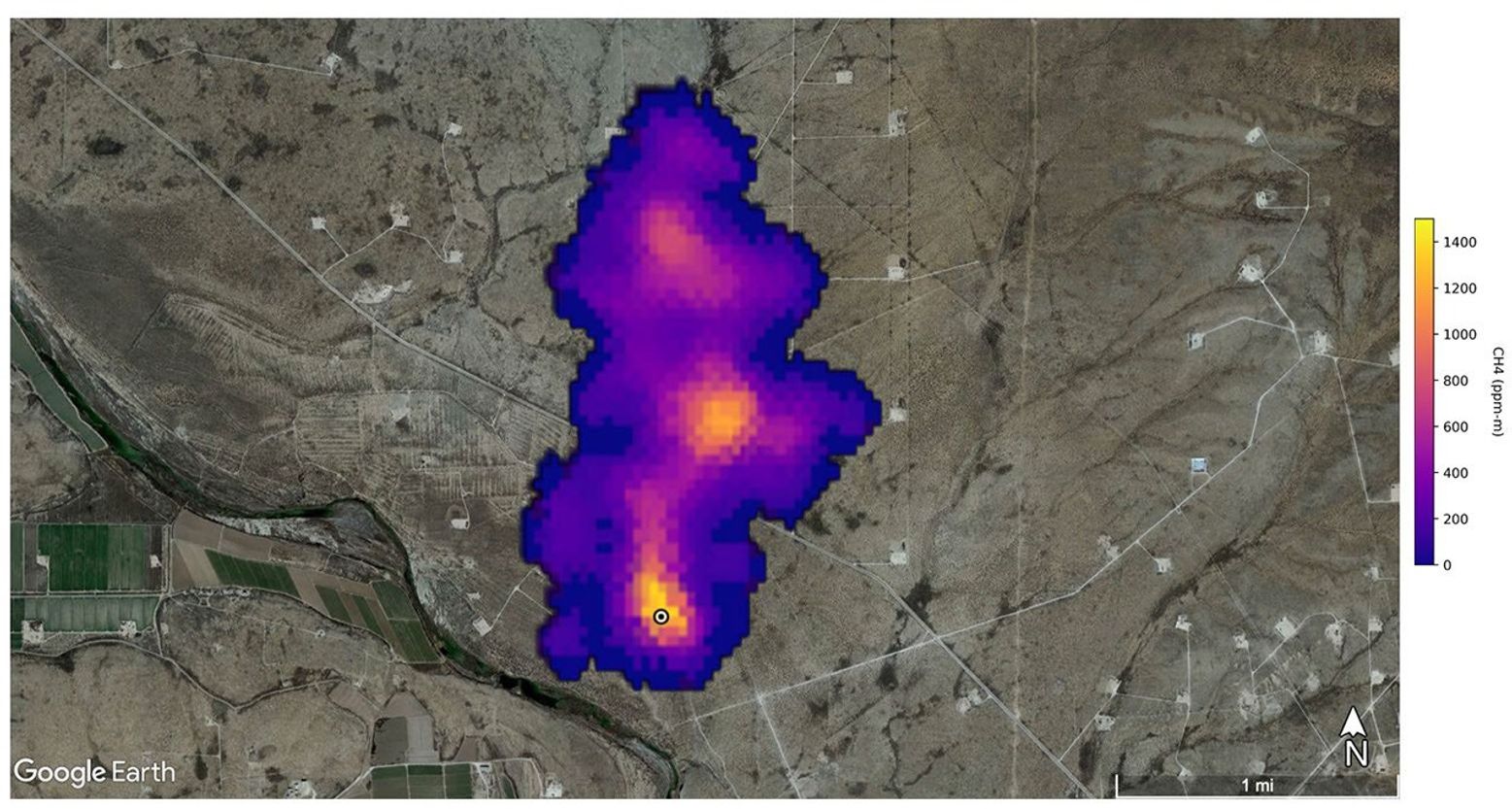
Burning fossil fuels adds carbon dioxide to the atmosphere. Organic material buried in landfills can release methane as it decomposes. These are different problems, but both demand practical ways to prevent emissions at their source. In the United States, municipal landfills were the third-largest source of human-related methane emissions in 2022.
2. Slash carbon waste
Discarded wood, unrecyclable plastics, and other carbon-rich materials, such as sewage and animal wastes, should not automatically become a disposal burden. Waste prevention, reuse, and recycling come first. We also need productive options for suitable material that remains. The world generated an estimated 2.1 billion tonnes of municipal solid waste in 2023; without stronger action, that total is projected to reach 3.8 billion tonnes by 2050.

3. Protect air, land, and water
Poorly managed waste and fuel systems affect more than the climate. Dumping, open burning, leaks, and debris can damage local air quality, landscapes, waterways, and wildlife. Cleaner production must be measured by what happens throughout the process—from incoming material to the final use of a product.

4. Produce far more clean energy—including liquid fuels
Renewable electricity and electrification are essential. But much of today’s transportation and industrial equipment still relies on liquid fuels, and some demanding uses are harder to electrify. Those uses need credible, lower-emission fuel options as well.
The liquid-fuel gap
The missing piece in the energy transition is a liquid fuel that can do demanding work while reducing the environmental costs of petroleum—and can be produced at a price and scale people can actually use. That is a goal to prove, not a benefit to assume. Any proposed fuel must be tested for its full life-cycle emissions, air-pollution performance, engine suitability, production cost, and effects on land and water.
Dependence on concentrated oil supplies also exposes communities and economies to disruption and price shocks. More ways to make useful fuels from responsibly managed local resources could help diversify supply.
Where Bioroot Energy is focused
The chemistry is not waiting to be invented. Higher mixed alcohols have been synthesized from gas, and decades of research, patents, and pilot work have established ways to make and use them. The question Bioroot Energy is pursuing is larger: Can we build municipal-scale systems that turn the carbon-rich materials communities discard every day into useful liquid fuels and chemical building blocks?
Methane is an attractive starting feedstock. It is relatively simple to handle, and existing gas and landfill operators already control large supplies. But a methane-only project leaves much of the waste problem untouched. Discarded wood, unrecyclable plastics, sewage, animal wastes, and other suitable residual materials keep arriving whether energy markets want them or not. They are a continuing burden on municipal budgets, land, water, air, and the people living nearby.
We cannot keep treating collection and disposal as the end of our responsibility. First, prevent waste; reuse and recycle what can be recovered. Then develop sound ways to convert suitable remaining carbon-rich material into products people need. Bioroot Energy’s aim is to connect that work to established synthesis-gas and higher mixed-alcohol methods, with projects sized and designed for the actual waste streams of the communities they serve.
That is the call to action. Cities, industry, researchers, regulators, and capital providers need to move beyond isolated fuel demonstrations and build accountable waste-to-product infrastructure. Every project should show what enters it, what leaves it, what it emits, what it costs, and how it improves on current disposal. We already know the cost of carrying on: the world generates billions of tonnes of municipal waste each year, and the volume is rising. Waiting for an unnamed “someone” to deal with it is itself a decision to keep dumping, burning, and passing the consequences along.
Explore our alcohol solutions · Learn how gasification works
Sources and further reading
U.S. EPA: Basic information about landfill gas · UNEP: Global Waste Management Outlook 2024 · IPCC: Climate Change 2022—Mitigation of Climate Change · IEA: Energy security · National laboratory: Dow mixed-alcohol catalyst research · EPA: Registered gasoline and diesel additives